Direct Alberta service area

Foothills County luxury realtor.

On an acreage, the land is the asset and the house is an improvement on it. Dusko Sremac represents Foothills County buyers and sellers directly, and organises the diligence in the order that actually protects a decision.
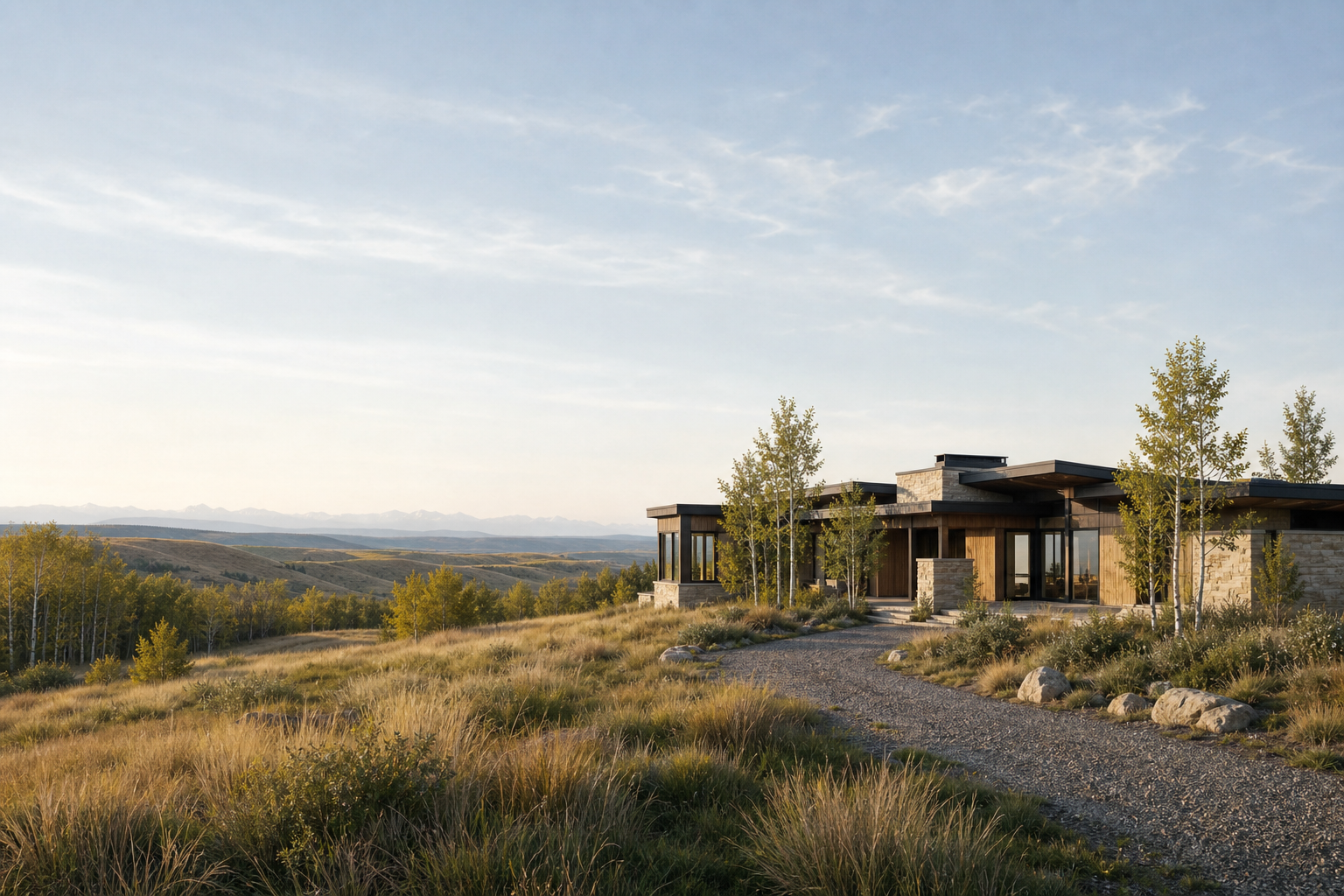
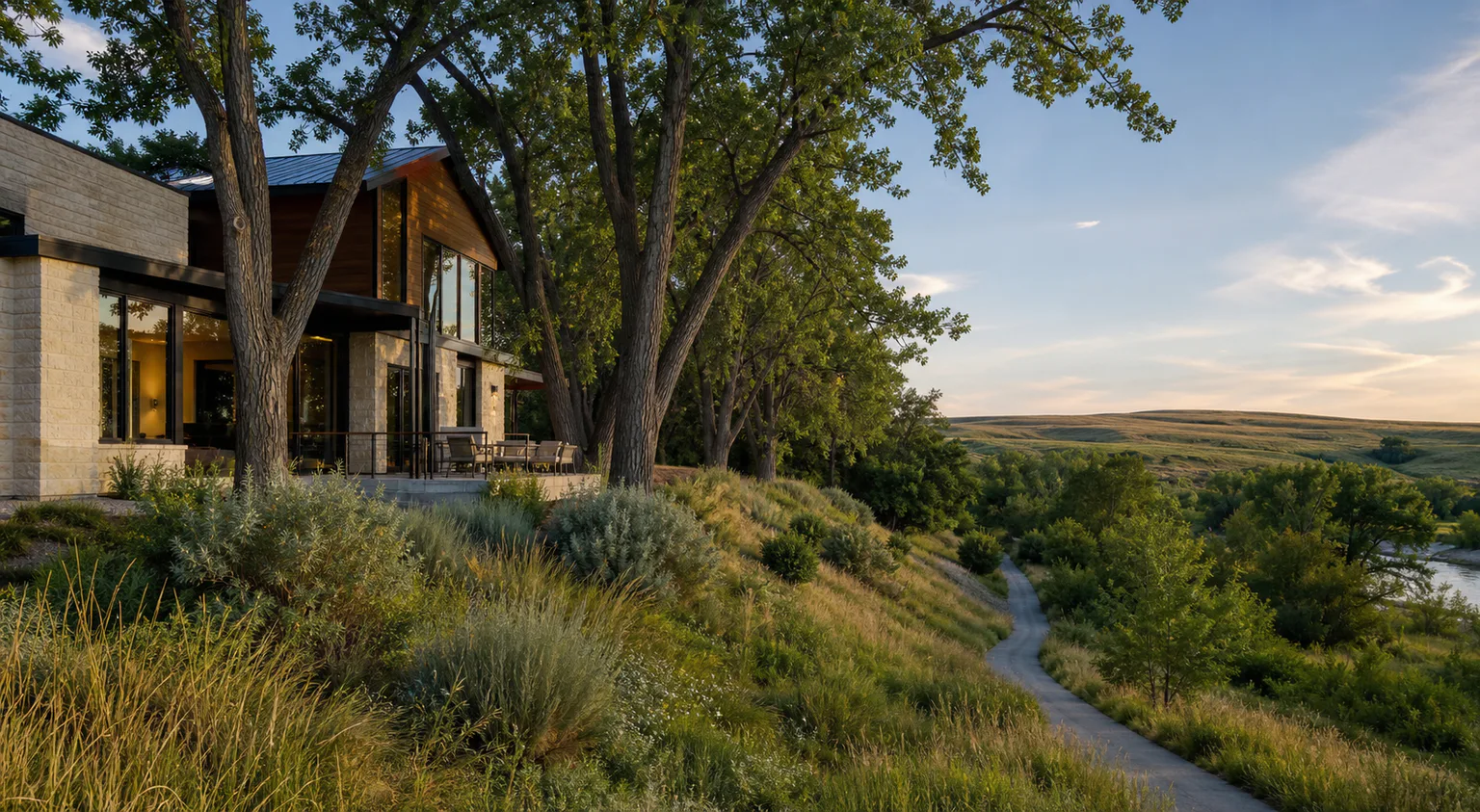
Editorial image: a private Alberta acreage estate with fenced pasture, native grassland and mature tree cover.
Editorial image — not a specific listing.
Location
Foothills County, Alberta
Representation scope
Direct Alberta representation
Brokerage & licence
Real Estate Partners at Real Broker · Licensed in Alberta only
Reviewed
July 30, 2026

Scope of service

Foothills County is a direct service area. Dusko is licensed to trade real estate in Alberta only and represents Foothills County buyers and sellers personally through Real Estate Partners at Real Broker. This page is orientation, not legal, engineering, environmental, water-quality or lending advice.

Title, parcels and legal access

  • Read the certificate of title in full: registered owners, easements, restrictive covenants, utility rights of way, caveats and any registered agreements.
  • Confirm the legal description and whether the holding is one parcel or several, because that affects financing, taxation and any future subdivision question.
  • Confirm legal access, not merely the driveway you used. Access by registered easement, an unmaintained road allowance and a private shared lane are three different situations.
  • Where a road or lane is shared, ask who maintains it, under what agreement, and how cost is apportioned.
  • A real property report with municipal compliance, where available, is the fastest way to surface encroachment and siting problems.

Water: source, supply and testing

Water is the single most consequential rural variable and the one most often waved through.

  • Identify the source: drilled well, cistern with hauled water, co-op or other.
  • Obtain the well record and any historical flow testing, and arrange current flow and potability testing through a qualified provider.
  • Understand licensing and household-use rules, and any registration attached to the property.
  • Inspect treatment equipment, pressure systems, cisterns and lines, including freeze protection.
  • Ask about historical dry-season performance from the owner in writing.

Water quality and supply conclusions belong to accredited laboratories and qualified water professionals. Nothing here substitutes for testing.
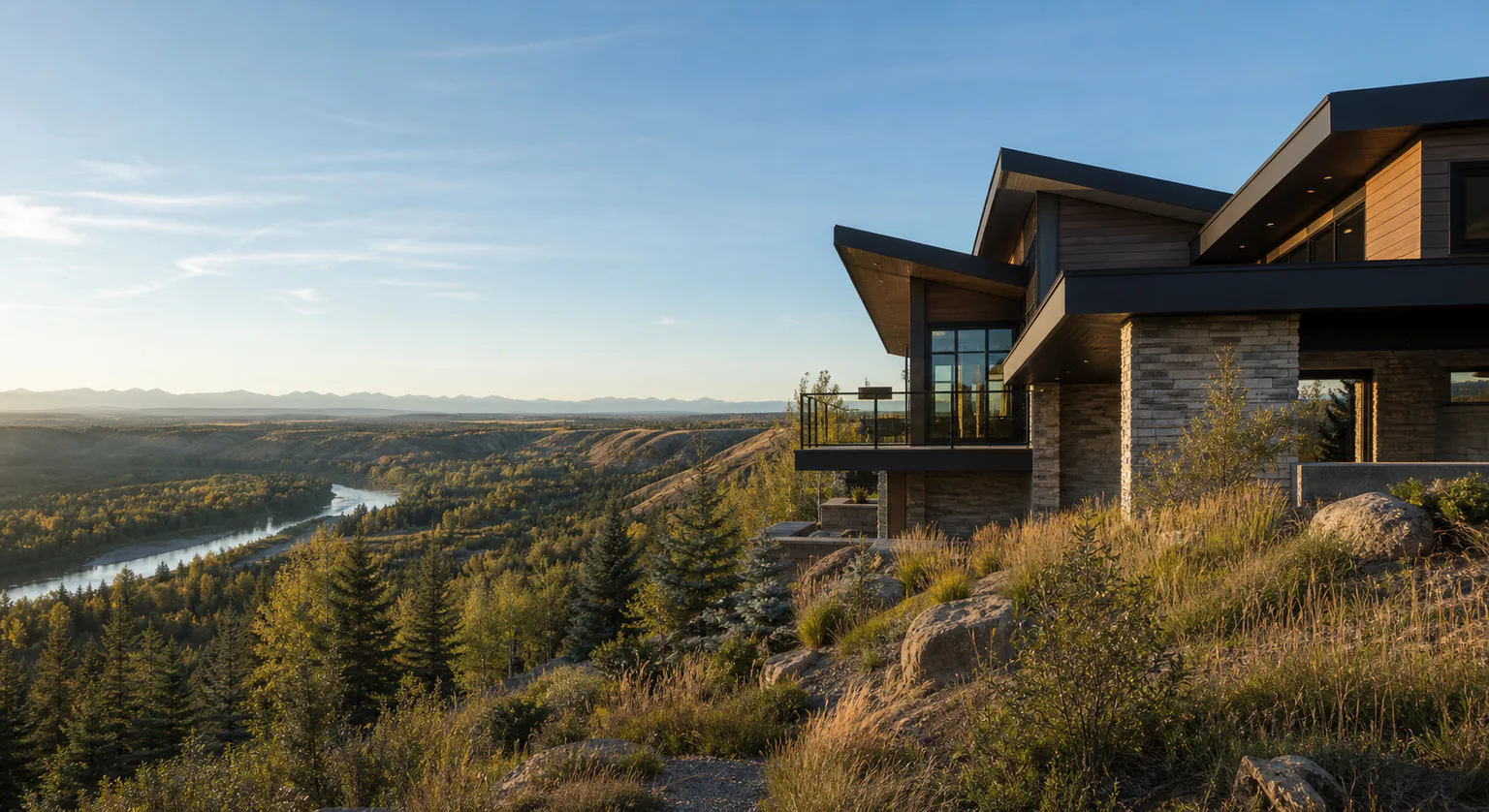
Editorial image: a modern stone and timber residence on a bluff above a wooded river valley, with the foothills and distant mountain ridgeline at sunrise.
Editorial image — not a specific listing.

Septic: design, capacity and maintenance

  • Identify the system type — field, mound, open discharge, holding tank — and its design capacity relative to the home's bedroom count and actual use.
  • Obtain the installation permit, design and any inspection or service history.
  • Confirm the location of tank, field and replacement area, and setbacks.
  • Have the system inspected by a certified private sewage professional, not a general inspector.
  • Understand ongoing maintenance obligations and what a failed field costs to replace.

Slopes, drainage and hazard context

Foothills topography is much of the appeal and much of the risk. Slope stability, surface drainage, springs, wetlands, creek proximity and erosion are property-level questions, and the County publishes hazard-lands and setback material to start from.

  • Review County hazard-lands policy and setback requirements for the parcel.
  • Walk the land in wet conditions if the calendar allows.
  • Note where water goes during melt and heavy rain, and whether it goes there through anyone's buildings.
  • Engage a geotechnical or civil engineer where slope, fill or foundation questions arise.
Editorial image: a contemporary stone and timber hillside residence above rolling Alberta foothills, with the Rocky Mountains distant at golden hour.
Editorial image — not a specific listing.

Energy, pipeline and surface context

Rural Alberta parcels can carry wells, pipelines, surface leases, access agreements or nearby energy infrastructure. Identify anything registered on title, ask about surface lease revenue and obligations, and confirm setback and access implications with the relevant operator and regulator. Treat this as a documented fact-finding exercise, not an assumption in either direction.

Buildings, outbuildings and use

  • Confirm shops, barns, arenas, guest accommodation and secondary dwellings were permitted and inspected, and what they may lawfully be used for.
  • Check power supply and capacity, heating, water service and drainage to outbuildings.
  • Review fencing condition, gate and entry systems, corrals, shelters and pasture management.
  • Understand whether the parcel is used or assessed on an agricultural or country-residential basis, and what that means for taxation, financing and insurance.
  • Confirm the intended use — equestrian, hobby farm, home business, guest suite — is permitted before firm conditions are removed.
Editorial image: a Calgary luxury home in winter light, with snow-covered grounds and warm interior illumination.
Editorial image — not a specific listing.

Roads, winter access and services

Ask how the last kilometre is maintained in February, who plows it, and how school buses, deliveries and emergency services reach the property. Confirm utility and connectivity realities — power reliability, natural gas or propane, and internet service — by contacting providers for the specific address rather than accepting a coverage map.

Insurance, lending and specialists

Acreage financing and insurance are not automatic. Speak to your lender and insurer early with the actual property details: parcel size, outbuildings, water and septic, heating source, wood stoves, distance to fire services and any agricultural use.

Assemble the right specialists before conditions are drafted: a rural-experienced home inspector, a private sewage professional, a water testing provider, an engineer where warranted, an insurer, a lender and a real estate lawyer.

Work through the printable due-diligence checklist and compare acreage settings on the Springbank and Bearspaw guide and the Calgary Region hub.

Related Alberta markets

Where Foothills County sits in the region

Sources and limitations

Official records, County staff and qualified specialists determine the facts for any specific parcel. This page organises the questions; it does not answer them for your property.

Official records, municipal staff and qualified specialists determine facts for any specific property. Checked July 30, 2026; municipal documents and links change.

Private consultation

Speak with Dusko

Send Dusko the listing or the legal description and he will tell you which questions to ask first, and which specialist should answer each one.

Call 403-988-0033 Private consultation